Maintaining the correct tire pressure is one of the simplest ways to improve your vehicle’s safety, performance, and fuel efficiency. Properly inflated tires help provide better handling, a smoother ride, and more even tire wear while reducing the risk of premature tire damage.
At Woods Tire & Auto, we help drivers in Sherman, TX keep their tires performing at their best with professional tire inspections, tire maintenance, and expert recommendations. Understanding the importance of tire pressure can help you protect your tires and stay safer on the road.
What Does Tire Pressure (PSI) Mean?
PSI, or pounds per square inch, measures the amount of air pressure inside your tires. Every vehicle has a recommended tire pressure level set by the manufacturer to help your tires perform properly. You can typically find the correct PSI rating on the driver’s side door jamb, inside your owner’s manual, or through your vehicle manufacturer’s recommendations.
Driving with the correct tire pressure helps ensure your tires maintain proper contact with the road for improved traction, handling, and stability.
Why Proper Tire Inflation Matters
Keeping your tires properly inflated provides several important benefits, including:
- Improved Safety: Proper tire pressure helps maintain traction and control, reducing the risk of handling issues, uneven braking, and tire failure.
- Better Ride Comfort: Correct inflation allows your tires to absorb road impacts more effectively, creating a smoother and more comfortable driving experience.
- Longer Tire Life: Properly inflated tires wear more evenly, helping extend tread life and delaying the need for premature tire replacement.
- Improved Fuel Efficiency: Underinflated tires create additional rolling resistance, causing your engine to work harder and potentially lowering your fuel economy.
How Often Should You Check Your Tire Pressure?
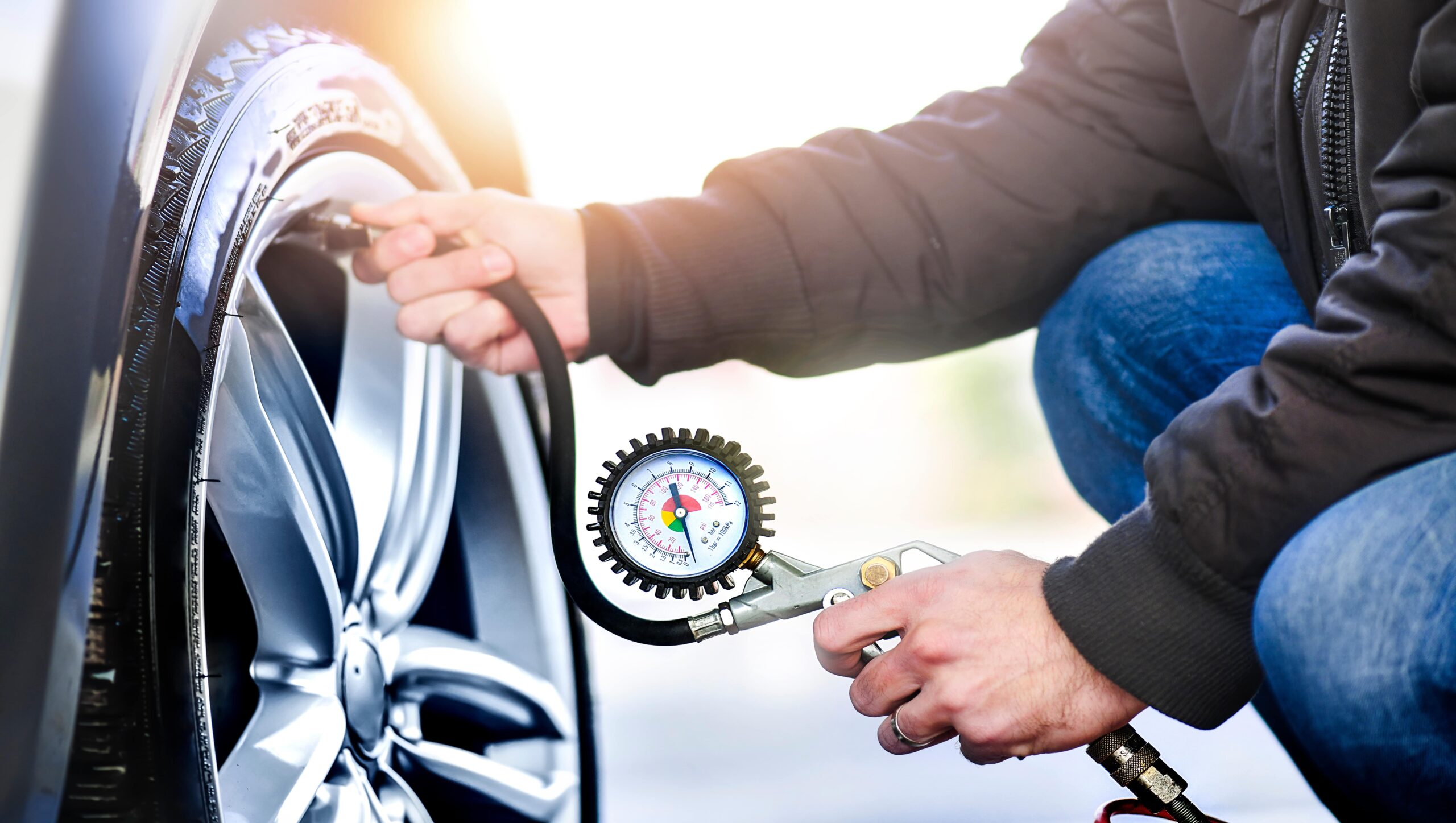
Experts recommend checking your tire pressure at least once a month and before long road trips. Tire pressure can change with temperature fluctuations, which is why it is best to check your tires when they are cold—typically in the morning before driving.
For the most accurate reading:
- Use a reliable tire pressure gauge
- Check all four tires, including the spare if applicable
- Follow the PSI recommended by your vehicle manufacturer
- Inspect tires for visible damage, uneven wear, or low tread
What Happens If Your Tire Pressure Is Too High or Too Low?
Both overinflated and underinflated tires can affect your vehicle’s performance.
Overinflated tires have less contact with the road, which can lead to reduced traction, a rougher ride, and uneven tire wear.
Underinflated tires create more road contact, increasing friction and heat buildup. This can lead to faster tread wear, reduced fuel efficiency, and increased risk of tire damage.
Maintaining the correct tire pressure helps your tires perform as designed and keeps your vehicle safer on the road.
Need Help Checking Your Tire Pressure? Visit Woods Tire & Auto in Sherman, TX
If you notice a tire losing air, uneven tire wear, vibration, or changes in your vehicle’s handling, the team at Woods Tire & Auto can help. Our experienced technicians provide tire inspections, tire maintenance, tire repairs, and tire services in Sherman, TX to help keep your vehicle safe and reliable.
Stop by Woods Tire & Auto or schedule your next tire service appointment today to make sure your tires are ready for the road.